
By Hongmarie J. Martinez, Psy.D., Licensed Psychologist, NJ #6776, NY #25037, Certified School Psychologist | Behavior Therapy Associates | Somerset, New Jersey
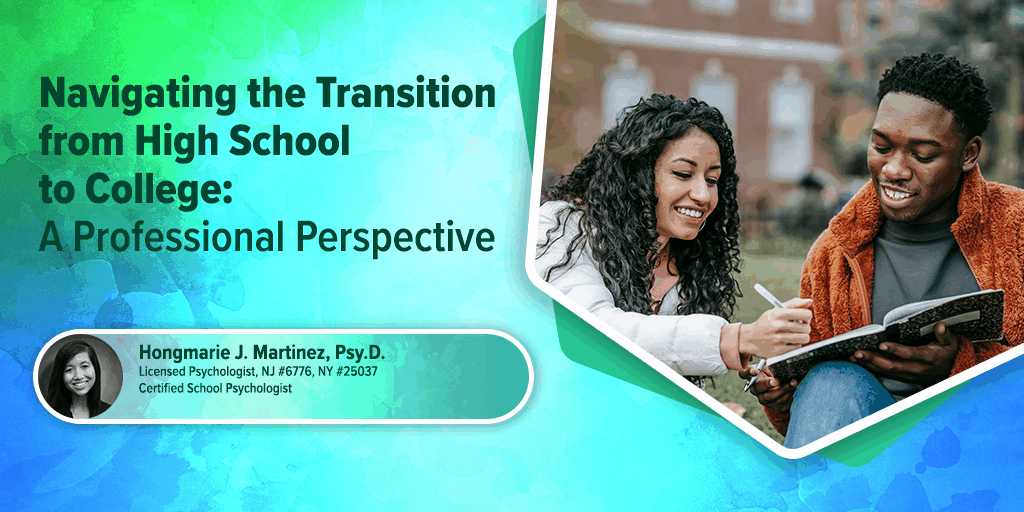
Starting college is an exciting milestone, but one that can also bring about a wide range of emotions. Whether you’re entering your first year of college or supporting someone who is, this transition can come with a mix of possibility and personal growth, as well as uncertainty, stress, and anxiety.
Dr. Hongmarie Martinez, Licensed Psychologist at Behavior Therapy Associates, notes that for many students making the leap from high school, the shift is not just academic, it’s also emotional and social. It may be the first time living away from home, managing a packed schedule, or figuring out how to meet new people in an unfamiliar setting. While it’s normal to feel some stress when adjusting to change, sometimes that stress can grow into something more that can begin to interfere with daily life.
Understanding Anxiety during the College Transition
Anxiety during this stage of life can show up in different ways for different students. You may find yourself worrying constantly about grades, questioning whether you’ve picked the “right” major, or feeling overwhelmed at the thought of reaching out to new people. Others may struggle with navigating crowded dining halls, large lecture classes, or unfamiliar social settings.
Dr. Martinez highlights some common signs to look out for, including:
- Changes in sleep or appetite
- Persistent feelings of dread or worry
- Fatigue, restlessness, racing thoughts/difficulties concentrating
- Avoiding situations like class, social events, or checking email
- Physical symptoms such as tension or an upset stomach
It’s important to remember that these are valid and common experiences, and that you are not alone in feeling this way. In fact, many students experience a combination of emotional, physical, and behavioral signs of stress as they adjust to this new chapter.
Why the Transition Feels So Difficult
College is often portrayed as a fresh start full of exciting opportunities. And while that’s true, the part that often goes unspoken is how difficult the adjustment can really be.
This may be the first time you’re making your own schedule, managing deadlines independently, and building a life without the structure and familiarity of home or high school. That’s a lot to take on all at once, and even students who appear to be “doing well” on the outside may be struggling with anxiety or burnout behind the scenes.
It’s also common to feel pressure to adjust quickly or thrive right away, especially in a social media-driven world where it might look like everyone else has it all figured out. The truth is, everyone adjusts in their own time, and growth is rarely linear.
Progress Isn’t Linear
You may have some great weeks where you feel on top of things, followed by a tough week that makes you question whether you’re doing okay. That’s completely normal. Adjusting to college is a process, and it’s okay if it takes a while to find your rhythm.
Dr. Martinez recommends that you shouldn’t be discouraged if your path isn’t linear. What matters most is continuing to show up for yourself, even when things feel messy.
You’re Not Alone
For some students, the anxiety may present as temporary and lessen over time as they find their groove, or it may persist for others and begin to interfere with daily life and functioning. Either way, if you or someone you care about is feeling anxious about the college transition, it’s okay to ask for help. Seeking support is a sign of strength, not weakness. Whether it’s for short-term guidance or longer-term support, therapy can be a helpful tool in navigating this season of change.
To learn more about anxiety therapy for teens, young adults, and college students, visit: https://behaviortherapyassociates.com/services/adult-services/ and feel free to contact us directly at info@behaviortherapyassociates.com or 732-873-1212.

Hongmarie J. Martinez, Psy.D. is a licensed psychologist in New Jersey and New York and a certified school psychologist in New Jersey. Full Bio