
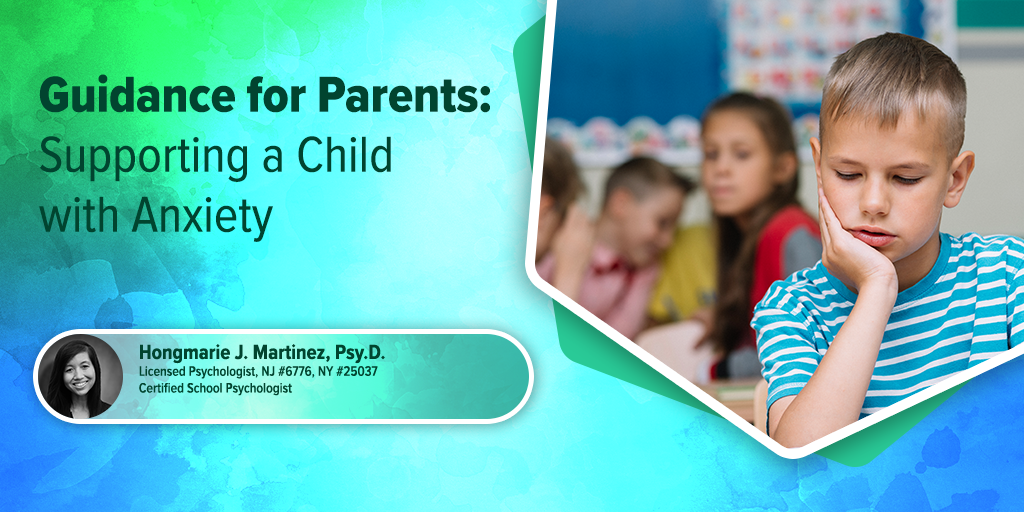
Understanding Anxiety and What Parents Should Know
When parents first notice signs of anxiety in their child, it can feel confusing and concerning. Dr. Martinez begins by normalizing the experience. Anxiety is a universal emotion that both children and adults experience, and in many situations, it is helpful.
Anxiety can keep us safe and motivate us to prepare for challenges. However, it becomes a concern when it shifts from helpful to unhelpful.
Dr. Martinez explains that anxiety can become maladaptive when the mind starts to overestimate risk and underestimate the ability to cope. At this point, worries may become persistent, overwhelming, and interfere with daily life.
The key for parents is recognizing when anxiety is no longer supporting their child in a helpful way, but instead getting in the way.
Early Signs of Anxiety That Parents May Miss
Anxiety can show up in ways that are not always obvious.
Children may experience persistent worries, racing thoughts, and, in turn, may have difficulties concentrating. In many cases, anxiety can also present physically, such as headaches, stomachaches, sweating, fatigue, or difficulty breathing. These somatic symptoms may be misinterpreted as medical concerns rather than as symptoms of anxiety.
Behaviorally, anxiety may look like restlessness, avoidance, clinginess, school refusal, defiance, or even tantrums. Younger children may have more difficulty expressing their worries and feelings, given their developmental age. Consequently, their anxiety may be expressed through their behavior. Some children’s moods may also become more irritable, or they may excessively cry when feeling heightened anxiety. Sleep and appetite changes are also common, including trouble falling asleep, interrupted sleep, difficulties sleeping alone, nightmares, or changes in eating habits.
Dr. Martinez emphasizes that physical symptoms and behavior are often the most misinterpreted signs of anxiety.
Common Misconceptions About Childhood Anxiety
Many parents assume anxiety only affects adults or believe their child will grow out of it. Others may think a child can simply stop worrying.
Dr. Martinez explains that children can also experience significant anxiety, and in some cases, it can become quite debilitating if not addressed.
Understanding that anxiety is real and valid for children is an important first step in providing support.
When Is It More Than Typical Worry?
Some worry is normal and can reflect that a child cares about school, friendships, or new experiences.
However, anxiety may require support when it becomes persistent, difficult to control, and starts interfering with daily functioning.
As a result of the increase in frequency, intensity, and duration of the child’s anxious moments, parents may notice:
- Avoidance of activities/situations that their child previously enjoyed and engaged in
- Increased distress
- Difficulty managing daily life in school, at home, in their peer relationships, etc.
- Frequent reassurance seeking
Dr. Martinez explains that significant anxiety often involves overestimating risk and underestimating the ability to cope. When this pattern becomes strong, additional support may be helpful.
How Anxiety Can Impact Daily Life
Anxiety can affect many areas of a child’s life, depending on what they are worried about.
For example, worries about academic performance can result in trouble focusing in school. Socially, children may avoid certain social settings due to the fear of being judged by others. At home, anxiety can increase dependence on caregivers and create strain within family routines.
Dr. Martinez notes that anxiety can take many forms for children, including generalized anxiety disorder, separation anxiety, social anxiety, specific fears, panic, and agoraphobia. Because anxiety can attach to different situations, its impact varies from child to child.
How Parents Can Respond in the Moment
How parents respond during anxious moments plays a key role in helping their child.
Dr. Martinez recommends that compassionate and helpful support include a combination of validation and encouragement. Parents can acknowledge how their child feels while also expressing confidence in their ability to cope.
Examples include:
- “I know this feels really hard for you, and I know you can do hard things.”
- “I hear that you’re feeling really worried right now, and I know you can get through this.”
- “I know this is tough, and I know you can handle it.”
It is also important to stay calm, use a gentle tone, and avoid immediately trying to fix the situation. Being present and allowing the child to move through the feeling helps them learn that anxiety, while uncomfortable, is not dangerous.
Responses That May Reinforce Anxiety
Some responses, although well-intentioned, can make anxiety stronger over time.
It can feel invalidating for the child to hear statements, such as “It’s not that scary” or “You’re overreacting.” Constant reassurance or allowing ongoing avoidance can also reinforce anxiety.
Instead, parents should focus on:
- Validating feelings
- Encouraging gradual exposure
- Supporting their child in tolerating uncertainty
Recognizing and praising small steps toward facing fears (assuming that these are safe situations) can also be very helpful.
Building Coping Skills and Seeking Support
Consistency is key when helping a child manage anxiety. Parents can support their child by consistently validating emotions while encouraging them to face challenges at their own pace.
If anxiety begins to significantly impact daily functioning, additional support may be helpful. This may include working with a mental health professional and, when appropriate, collaborating with school staff.
Dr. Martinez explains that cognitive behavioral therapy is a common and effective approach. It helps children and families understand anxiety, develop more realistic thinking patterns, and identify what’s important to them to help them gradually face feared situations while building a child’s confidence over time.
A Reassuring Message for Parents
Supporting a child with anxiety can feel overwhelming, but effective strategies are available.
Progress takes time, and it is normal for anxiety to increase temporarily when children begin facing their fears. Over time, with consistency and effective support, anxiety can become more manageable.
Dr. Martinez reminds parents:
- “You and your child are not alone in this process.”
- “There are effective ways to support your child.”
- “Experiencing short-term discomfort can lead to long-term growth for both children and caregivers.”
With the right support, children can build confidence in their ability to cope and navigate challenges more effectively.
About Dr. Martinez
Dr. Martinez specializes in assessing and treating children, adolescents, adults, and families who experience difficulties with anxiety disorders, stress, obsessive-compulsive disorder, tics, hair-pulling, depression, self-esteem issues, ADHD, life transitions, trauma, grief/loss, parenting, and family issues. Dr. Martinez is passionate about collaboratively approaching treatment using a range of well-supported, research-based approaches that are rooted in cognitive behavior therapy (CBT). She is dedicated to assisting the individuals, families, and organizations that she works with in identifying their specific needs and developing personalized, effective strategies to cope with their challenges, uncovering their unique strengths, and helping them navigate their pathway towards positive change in their lives.

About Dr. Martinez
Dr. Martinez has the authority to practice interjurisdictional telepsychology (APIT) from the PSYPACT commission, allowing her to provide telepsychology to clients in many states. To see if your state is included, please click on this link: https://psypact.site-ym.com/page/psypactmap. Dr. Martinez can be reached directly at hmartinez@BehaviorTherapyAssociates.com or 732-873-1212.